Barn and farm weddings in North Carolina
North Carolina has more barn venues than any state on the east coast and a set of rules that catch almost everyone out. Alcohol is the first of them.
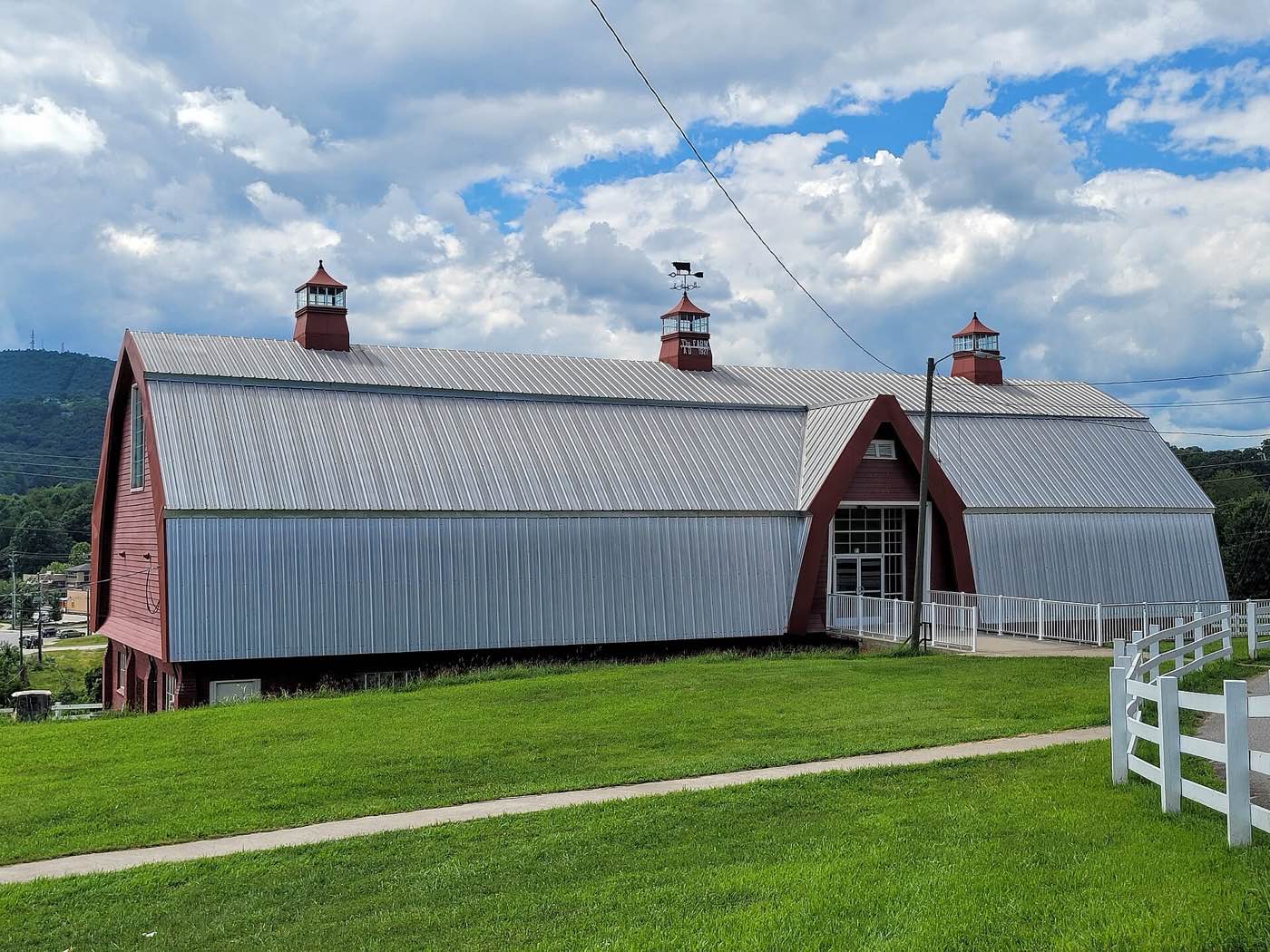
A converted barn on rolling land is the defining North Carolina wedding image, and for good reason. It is also the venue type with the most hidden complexity, because a barn is usually a rented building rather than a full-service venue.
Start with alcohol
This is the one that surprises people. In North Carolina, serving alcohol at a private event venue is governed by ABC permitting, and the venue's own status determines what you may do. Some venues hold a permit. Some require you to use a licensed caterer who holds one. Some require you to apply for a one-time permit yourself.
Get this answered before anything else. The permits guide covers what to ask.
Then access and transport
Most good barn venues are twenty to forty minutes from the nearest town with hotels. Once that is true, guest transport and lodging stop being optional. Rural roads, unlit driveways and gravel parking after rain are the practical realities behind the photographs.
Then the season
North Carolina's wedding calendar is shaped by three things: spring pollen, summer humidity and an October that is close to perfect. The seasons guide sets out what each period does to an outdoor plan, and every outdoor plan here needs a rain plan behind it — usually at a venue with only one covered space.
What the building does not include
The recurring surprise with barns is not what they cost. It is what they are missing. A barn is a volume, and a wedding needs infrastructure the volume was never built to carry: electrical capacity and often a generator, heating or cooling, restrooms, water, a place for a caterer to work.
None of it is difficult. All of it is a line in a budget that appears after the deposit if nobody asks first.
The county is the unit that matters
North Carolina is not one regulatory environment. A great deal of what governs a barn wedding is decided at county level, and two venues an hour apart can face genuinely different requirements.
Wastewater is permitted through county health departments, so the number of people a site may host can be capped by a septic design nobody thinks to ask about. Fire code is enforced locally, and a barn used for assembly is judged against a different standard than a barn used for hay. Noise, where it is regulated at all, is usually a county or municipal matter rather than a state one.
The practical consequence is that a venue's own answer is the only answer that counts. General advice — including this guide — can tell you which questions decide the outcome. It cannot tell you what a specific county requires on a specific site, and any source that claims otherwise is guessing.
How far ahead this really needs to happen
Barn venues concentrate demand into a narrow band. October Saturdays are the most contested date in the state, followed by late April and May, and a venue with one barn can only sell each date once.
Twelve to fourteen months of lead time is comfortable for a peak Saturday. Nine is tight. Below six months you are choosing among what remains rather than choosing freely, which is a perfectly workable position as long as you know that is the position you are in.
The lead time matters more here than at a hotel for a reason that has nothing to do with popularity. A barn wedding is assembled from separate suppliers — caterer, rentals, restrooms, power, sometimes a marquee — and each of those has its own calendar. Booking the building late means booking everything else later still, into a market that has already been picked over.
What "included" is hiding
The single most useful habit on a barn tour is to stop hearing included as a reassurance and start hearing it as a question.
Included usually means the building, for a stated number of hours, on a stated date. It frequently does not mean tables and chairs, linen, a kitchen, climate control, restroom capacity for your guest count, parking attendants, lighting after dark, or the power to run any of it. None of that is concealed. It simply is not mentioned, because the venue is selling a building and assumes you know what a building is.
Ask for the list of what is physically on site and functional on your date, in writing, and treat everything absent from that list as a line you will pay for elsewhere. The twenty questions are built around this, and the pages on power, restrooms and catering without a kitchen each cover one of the categories that most often turns up late.
The venue types
- Working farms with an event barn — genuine setting, agricultural realities, variable facilities.
- Purpose-built barn venues — barn aesthetics with proper restrooms, climate control and parking.
- Historic tobacco and dairy barns — character, and structural constraints that limit capacity.
- Estate and vineyard properties — more services included, higher minimums.
Set out in venue types, with twenty questions to take on every tour. Barns taking weddings now are listed region by region: around Charlotte, around Raleigh and Durham, around Greensboro and Winston-Salem and around Asheville.